Deliver toBahrain
Veterinary Parasitology

Description:

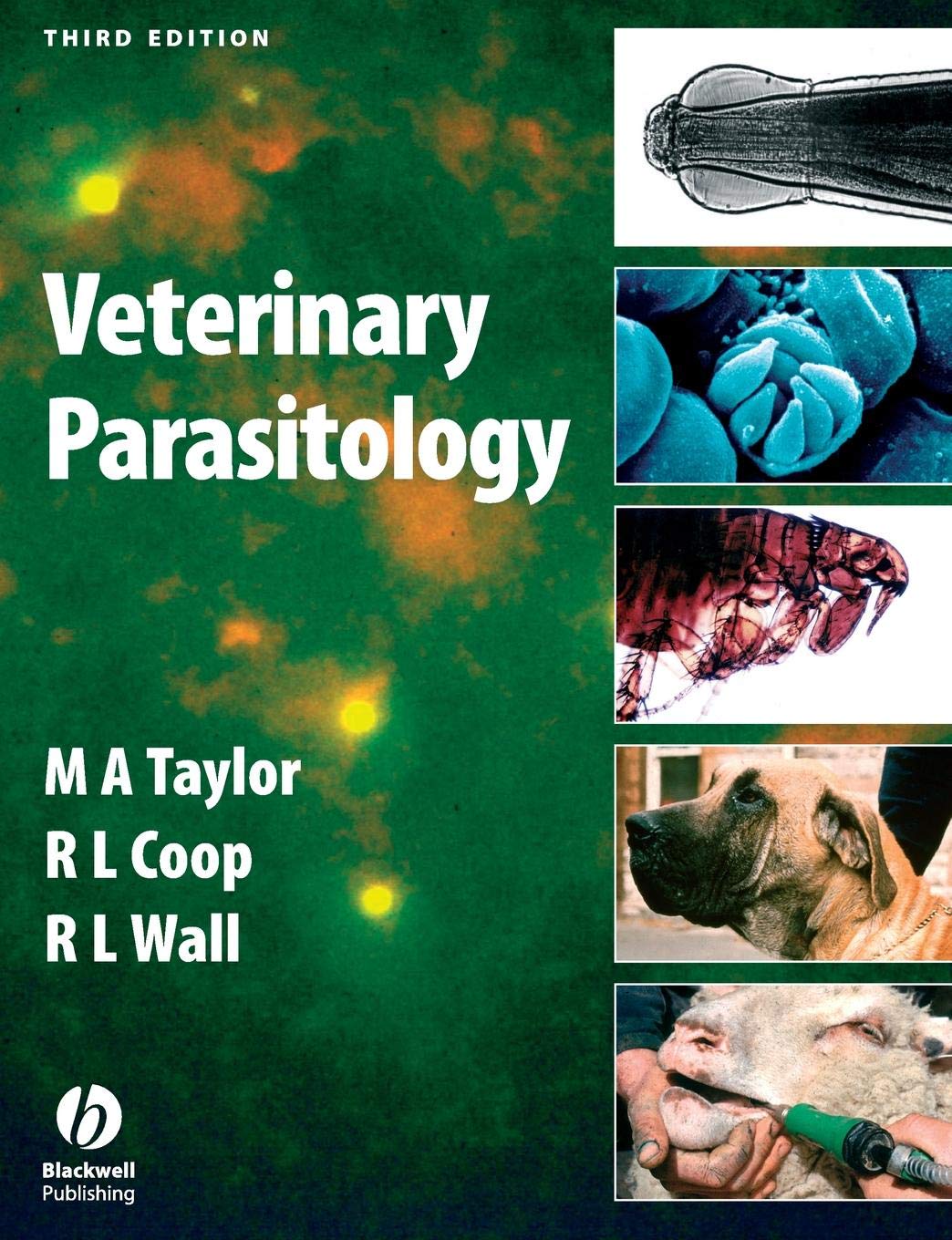
Long established as a bestselling parasitology book for veterinary practitioners and veterinary students, the previous edition lead by Urquhart was praised as '...probably the best available veterinary parasitology text for the practitioner' (Clinical Insight). This third edition of Veterinary Parasitology is a major update which builds on the spirit of earlier editions. New authors with a wealth of experience of teaching and researching the subject have thoroughly revised and restructured the book to reflect modern teaching practice and the most up-to-date coverage of advances in this area. Arranged by host species and organ systems within the host, with extensive cross-referencing to enable ease of access to information on particular parasites. The core focus is on parasites of livestock and companion animals, but new sections also cover parasites of poultry and gamebirds, laboratory animals, exotic pets and 'farmed' species. Expanded sections on protozoa and ectoparasites, as well as coverage of a larger selection of parasites of veterinary significance around the world. The majority of parasitic diseases are now covered in detail using a standardised format for each parasite to allow easy referencing and identification and for comparison between species within a genus. Suitable for veterinary students, as well as researchers of veterinary parasitology, veterinarians in practice and in government service and others who are involved in aspects of parasitic disease. About the authors: Professor Mike Taylor is head of Veterinary Surveillance at the Central Science Laboratory York, UK. He is also a visiting Professor of Parasitology at the Royal Veterinary College, London and at the University of Wales, Bangor, an Honorary Fellow of the University of Edinburgh, as well as a Diplomate of the European College of Veterinary Parasitology, and Editor-in-Chief of Veterinary Parasitology. Dr Bob Coop was formerly Head of the Division of Parasitology at the Moredun Research Institute, Scotland, and is now Honorary Fellow of the Moredun Foundation. He has over 35 years' experience of research in veterinary parasitology. Richard Wall is Professor of Zoology at the University of Bristol, UK, where he teaches and heads an internationally recognized research group working on the ecology, behaviour and control of arthropod parasites and vectors. He has served as veterinary editor of the journal Medical & Veterinary Entomology and President of the British Association for Veterinary Parasitolgy; he is a Fellow of the Royal Entomological Society.


Review

"....anyone who buys it can be certain that they are getting a lot of value for money"
--
Veterinary Parasitology

From the Back Cover

Long established as a bestselling parasitology book for veterinary practitioners and veterinary students, the previous edition lead by Urquhart was praised as "...probably the best available veterinary parasitology text for the practitioner" (Clinical Insight).

This third edition of Veterinary Parasitology is a major update which builds on the spirit of earlier editions. New authors with a wealth of experience of teaching and researching the subject have thoroughly revised and restructured the book to reflect modern teaching practice and the most up-to-date coverage of advances in this area.


    • Arranged by host species and organ systems within the host, with extensive cross-referencing to enable ease of access to information on particular parasites.

    • The core focus is on parasites of livestock and companion animals, but new sections also cover parasites of poultry and gamebirds, laboratory animals, exotic pets and 'farmed' species.

    • Expanded sections on protozoa and ectoparasites, as well as coverage of a larger selection of parasites of veterinary significance around the world.

    • The majority of parasitic diseases are now covered in detail using a standardised format for each parasite to allow easy referencing and identification and for comparison between species within a genus.

    Suitable for veterinary students, as well as researchers of veterinary parasitology, veterinarians in practice and in government service and others who are involved in aspects of parasitic disease.

    Details:

    Veterinary Parasitology

    Product ID: K1405119640
    |

    Returns & Warranty policies

    Imported From: United Kingdom

    At BOLO, we work hard to ensure the products you receive are new, genuine, and sourced from reputable suppliers.

    Every product in the BOLO catalogue is sourced through our Verified Global Supply Network of verified sellers, authorized distributors or directly from the manufacturer.

    Each product undergoes thorough inspection and verification at our consolidation and fulfilment centers to ensure it meets our strict authenticity and quality standards before being shipped and delivered to you.

    If you ever have concerns regarding the authenticity of a product purchased from us, please contact Bolo Support. We will review your inquiry promptly and, if necessary, provide documentation verifying authenticity or offer a suitable resolution.

    Your trust is our top priority, and we are committed to maintaining transparency and integrity in every transaction.

    While we strive to display accurate information, variations in packaging, labeling, instructions, or formulation may occasionally occur due to regional differences or supplier updates. For detailed or manufacturer-specific information, please contact the brand directly or reach out to BOLO Support for assistance.

    Unless otherwise stated, all prices displayed on the product page include applicable taxes and import duties.

    BOLO operates in accordance with the laws and regulations of Bahrain. Any items found to be restricted or prohibited for sale within the Bahrain will be cancelled prior to shipment. We take proactive measures to ensure that only products permitted for sale in Bahrain are listed on our website.

    All items are shipped by air, and any products classified as “Dangerous Goods (DG)” under IATA regulations will be removed from the order and cancelled.

    All orders are processed manually, and we make every effort to process them promptly once confirmed. Products cancelled due to the above reasons will be permanently removed from listings across the website.

    Veterinary Parasitology

    Product ID: K1405119640
    Veterinary Parasitology-0
    |

    Returns & Warranty policies

    Imported From: United Kingdom

    At BOLO, we work hard to ensure the products you receive are new, genuine, and sourced from reputable suppliers.

    Every product in the BOLO catalogue is sourced through our Verified Global Supply Network of verified sellers, authorized distributors or directly from the manufacturer.

    Each product undergoes thorough inspection and verification at our consolidation and fulfilment centers to ensure it meets our strict authenticity and quality standards before being shipped and delivered to you.

    If you ever have concerns regarding the authenticity of a product purchased from us, please contact Bolo Support. We will review your inquiry promptly and, if necessary, provide documentation verifying authenticity or offer a suitable resolution.

    Your trust is our top priority, and we are committed to maintaining transparency and integrity in every transaction.

    While we strive to display accurate information, variations in packaging, labeling, instructions, or formulation may occasionally occur due to regional differences or supplier updates. For detailed or manufacturer-specific information, please contact the brand directly or reach out to BOLO Support for assistance.

    Unless otherwise stated, all prices displayed on the product page include applicable taxes and import duties.

    BOLO operates in accordance with the laws and regulations of Bahrain. Any items found to be restricted or prohibited for sale within the Bahrain will be cancelled prior to shipment. We take proactive measures to ensure that only products permitted for sale in Bahrain are listed on our website.

    All items are shipped by air, and any products classified as “Dangerous Goods (DG)” under IATA regulations will be removed from the order and cancelled.

    All orders are processed manually, and we make every effort to process them promptly once confirmed. Products cancelled due to the above reasons will be permanently removed from listings across the website.

    Description:

    Long established as a bestselling parasitology book for veterinary practitioners and veterinary students, the previous edition lead by Urquhart was praised as '...probably the best available veterinary parasitology text for the practitioner' (Clinical Insight). This third edition of Veterinary Parasitology is a major update which builds on the spirit of earlier editions. New authors with a wealth of experience of teaching and researching the subject have thoroughly revised and restructured the book to reflect modern teaching practice and the most up-to-date coverage of advances in this area. Arranged by host species and organ systems within the host, with extensive cross-referencing to enable ease of access to information on particular parasites. The core focus is on parasites of livestock and companion animals, but new sections also cover parasites of poultry and gamebirds, laboratory animals, exotic pets and 'farmed' species. Expanded sections on protozoa and ectoparasites, as well as coverage of a larger selection of parasites of veterinary significance around the world. The majority of parasitic diseases are now covered in detail using a standardised format for each parasite to allow easy referencing and identification and for comparison between species within a genus. Suitable for veterinary students, as well as researchers of veterinary parasitology, veterinarians in practice and in government service and others who are involved in aspects of parasitic disease. About the authors: Professor Mike Taylor is head of Veterinary Surveillance at the Central Science Laboratory York, UK. He is also a visiting Professor of Parasitology at the Royal Veterinary College, London and at the University of Wales, Bangor, an Honorary Fellow of the University of Edinburgh, as well as a Diplomate of the European College of Veterinary Parasitology, and Editor-in-Chief of Veterinary Parasitology. Dr Bob Coop was formerly Head of the Division of Parasitology at the Moredun Research Institute, Scotland, and is now Honorary Fellow of the Moredun Foundation. He has over 35 years' experience of research in veterinary parasitology. Richard Wall is Professor of Zoology at the University of Bristol, UK, where he teaches and heads an internationally recognized research group working on the ecology, behaviour and control of arthropod parasites and vectors. He has served as veterinary editor of the journal Medical & Veterinary Entomology and President of the British Association for Veterinary Parasitolgy; he is a Fellow of the Royal Entomological Society.


    Review

    "....anyone who buys it can be certain that they are getting a lot of value for money"
    --
    Veterinary Parasitology

    From the Back Cover

    Long established as a bestselling parasitology book for veterinary practitioners and veterinary students, the previous edition lead by Urquhart was praised as "...probably the best available veterinary parasitology text for the practitioner" (Clinical Insight).

    This third edition of Veterinary Parasitology is a major update which builds on the spirit of earlier editions. New authors with a wealth of experience of teaching and researching the subject have thoroughly revised and restructured the book to reflect modern teaching practice and the most up-to-date coverage of advances in this area.


      • Arranged by host species and organ systems within the host, with extensive cross-referencing to enable ease of access to information on particular parasites.

      • The core focus is on parasites of livestock and companion animals, but new sections also cover parasites of poultry and gamebirds, laboratory animals, exotic pets and 'farmed' species.

      • Expanded sections on protozoa and ectoparasites, as well as coverage of a larger selection of parasites of veterinary significance around the world.

      • The majority of parasitic diseases are now covered in detail using a standardised format for each parasite to allow easy referencing and identification and for comparison between species within a genus.

      Suitable for veterinary students, as well as researchers of veterinary parasitology, veterinarians in practice and in government service and others who are involved in aspects of parasitic disease.

      Details: